

Protecting Pets in Kennesaw’s Summer Heat: Signs of Overheating
Protecting Pets in Kennesaw’s Summer Heat: Signs of Overheating
Summer in Kennesaw brings long, sunny days and plenty of opportunities to enjoy the outdoors with your dog or cat. However, the hot and humid Georgia weather can present serious risks for overheating and heatstroke in our companion animals. At Express Vets Kennesaw, we frequently see pets struggling with the effects of high temperatures, especially during June and throughout the summer months. Understanding the warning signs of heat-related illness, how to prevent overheating, and when to seek veterinary help is essential for every pet owner in Kennesaw and surrounding communities. In this guide, you’ll discover what symptoms to watch for in your dog or cat, practical tips for keeping pets cool and safe, and how our team of veterinarians at 4200 Wade Green Rd Suite 100, Kennesaw, GA 30144 can help you protect your pet’s health this summer.
Recognizing Heatstroke and Overheating in Dogs and Cats
Pets do not sweat the way humans do, making them particularly vulnerable to overheating, especially in the humid Georgia climate. Recognizing the early symptoms of heatstroke can make the difference between a quick recovery and a life-threatening emergency.
Key symptoms of overheating in dogs and cats include excessive panting, drooling, and rapid breathing. You may also notice that your pet seems weak, lethargic, or confused. Other signs to watch for are vomiting, diarrhea, or stumbling as your pet tries to move around. In severe cases, body temperature may rise dramatically, leading to collapse or even seizures. Cats tend to hide when they feel unwell, so owners should be alert to subtle changes such as increased restlessness, seeking cool surfaces, or open-mouth breathing. Dogs are often more obvious, but both species can deteriorate quickly once overheating takes hold.
If you observe any of these symptoms, especially after your pet has been outside or in a warm environment, it’s important to act quickly to cool your pet and contact your veterinarian for guidance.
Why Pets Overheat: Understanding the Causes
Dogs and cats are at risk of heatstroke because their natural cooling mechanisms are less efficient than ours. While humans sweat to release heat, pets rely on panting and a small amount of heat loss through their paw pads and noses. In Kennesaw’s humid climate, panting is less effective, and pets can overheat even on days that don’t seem exceptionally hot to us.
Several factors increase the risk for heat-related illness. Short-nosed (brachycephalic) breeds like Bulldogs, Pugs, and Persians are especially vulnerable due to their anatomy. Overweight pets, those with thick or dark coats, and older animals are also at higher risk. Activity level plays a role; pets can quickly overheat during vigorous play, walks, or outdoor adventures, particularly in the heat of the day. Never underestimate how quickly a parked car can become dangerous—even with windows cracked, temperatures can soar to deadly levels within minutes.
Environmental factors such as lack of shade, poor ventilation, and limited access to fresh water further contribute to overheating. Even indoor pets can be at risk if there is inadequate air conditioning or ventilation during a heatwave.
Treatment for Heatstroke: What to Expect from Your Veterinary Team
If you suspect your pet is suffering from heatstroke, immediate action is critical. Begin by moving your pet to a cooler area, offering small amounts of cool (not ice-cold) water, and using damp towels to gently cool their body, especially around the neck, belly, and paw pads. However, these are only first steps; professional veterinary care is essential for moderate to severe cases.
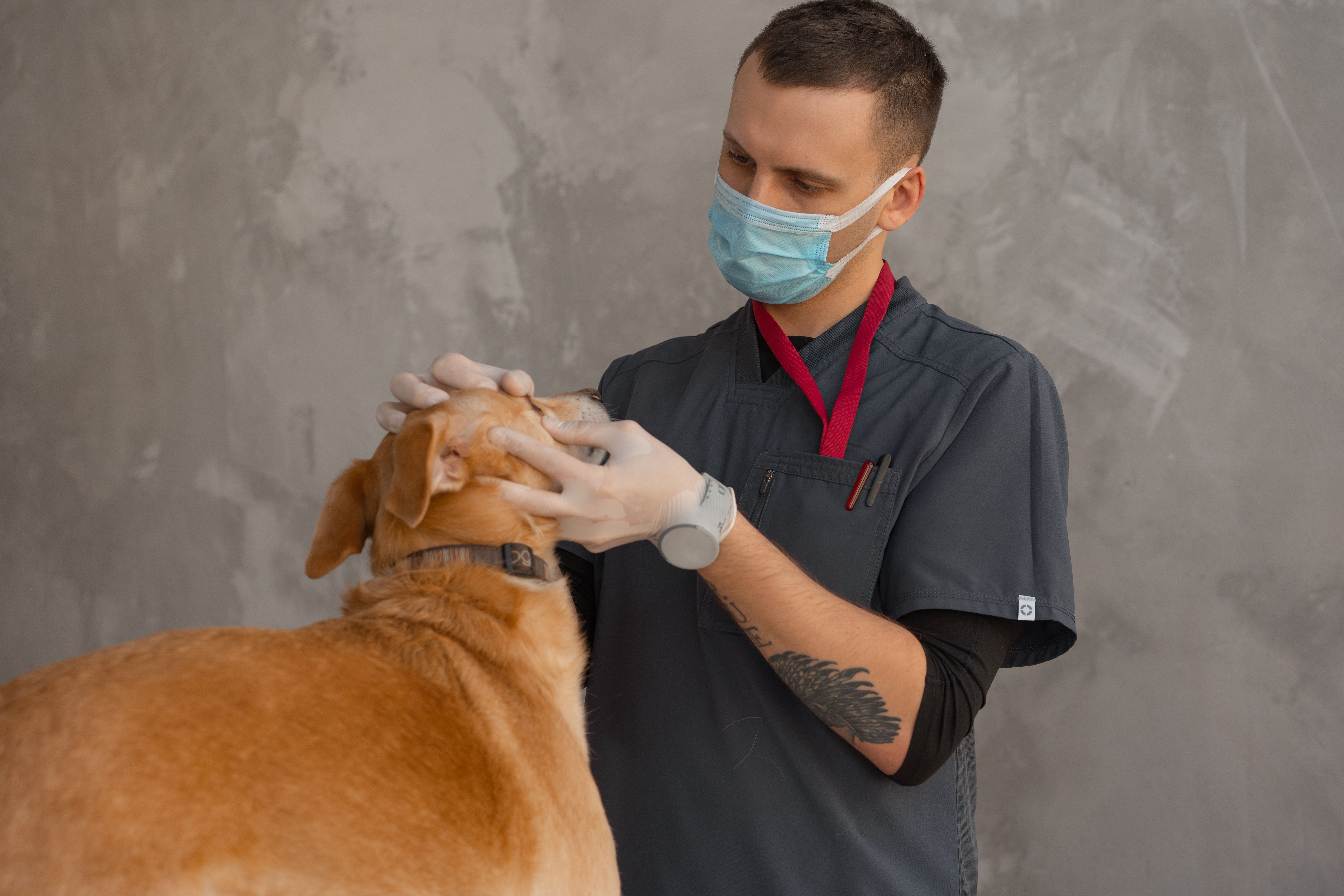
When you bring your dog or cat to Express Vets Kennesaw for suspected heatstroke, our veterinary team will quickly assess your pet’s condition and begin supportive care. Treatment approaches involve carefully lowering your pet’s body temperature, administering intravenous fluids to correct dehydration, and monitoring for complications such as organ damage or shock. Additional therapies may include oxygen supplementation and medications to address vomiting or prevent seizures.
Heatstroke can cause lasting damage to organs, so prompt intervention is vital. Our veterinarians will also perform diagnostic tests to check for any underlying problems and guide your pet’s recovery plan. Even if your pet seems to recover quickly at home, a veterinary examination is recommended to ensure there are no hidden complications.
Preventing Overheating: Keeping Your Pet Safe All Summer
Prevention is the best way to protect your pet from the dangers of Georgia’s summer heat. Simple changes to your daily routine can make a big difference in your dog or cat’s safety.
Always provide access to cool, fresh water, both indoors and outdoors. Limit exercise and walks to early morning or late evening hours when temperatures are lower. Offer shaded areas for outdoor pets and avoid leaving animals in parked cars under any circumstances. For cats and dogs that spend time outside, create spaces with adequate shade and good air circulation. Indoors, use fans or air conditioning to maintain a comfortable environment.
Grooming can also help; regular brushing removes excess undercoat and helps your pet stay cooler, but avoid shaving breeds with double coats as this can actually reduce their ability to regulate body temperature. Watch your pet for signs of overheating during play or walks, and be ready to bring them inside at the first hint of distress.
For high-risk pets, such as those with short noses, heart conditions, or older age, take extra precautions during heat waves. Consider indoor activities, interactive toys, and cooling mats or vests to keep your companion comfortable.
When to Seek Veterinary Care for Heatstroke
Knowing when to call your veterinarian can save your pet’s life. If you notice symptoms like excessive panting, drooling, vomiting, disorientation, or collapse, it’s time to take immediate action. Even mild signs of heat distress warrant a phone call to your veterinary team, as problems can escalate quickly.
If your pet is unresponsive, having seizures, or unable to stand, seek emergency care without delay. For any concerns about overheating, our team at Express Vets Kennesaw is ready to help. We encourage you to schedule an appointment or call us for guidance if you’re unsure how serious your pet’s symptoms may be. Early intervention is always the safest choice.
Remember, it’s better to err on the side of caution when it comes to heat-related illness. Our veterinarians are here to provide advice, perform examinations, and deliver the care your pet needs to recover and thrive.
Keeping Pets Cool in Kennesaw: Your Local Experts in Summer Safety
At Express Vets Kennesaw, we know how much you love your pets and how important it is to enjoy summer safely together. By recognizing the signs of heatstroke, understanding your pet’s unique risks, and taking proactive steps to prevent overheating, you can help ensure a fun, healthy season for your dog or cat. Our team of veterinary professionals is committed to serving pet owners throughout Kennesaw and surrounding communities, providing the expert care and guidance you need for every stage of your pet’s life.
If you have questions about summer safety, heatstroke prevention, or your pet’s health, we invite you to contact us at (678) 401-5579 or visit us at 4200 Wade Green Rd Suite 100, Kennesaw, GA 30144. You can also schedule an appointment for a summer check-up and personalized advice tailored to your pet’s needs.
When searching for a vet near me who understands the unique challenges of Georgia summers, look to Express Vets Kennesaw for compassionate, expert care. Together, we can keep your pets safe, cool, and happy all summer long.
Disclaimer: This article is for informational purposes only and does not replace professional veterinary advice. If you suspect your pet is experiencing heatstroke or another medical emergency, contact your veterinarian immediately.


